Key takeaways
- Start with a clear picture of the finished site, not just the first dig.
- A survey, a site plan and a list of utilities save more time than any machine.
- Soil, slope and water decide what is practical on your lot.
- Sequence matters: clear, strip, grade, dig, then build.
Start with the finished site
Before anyone digs, decide what the lot should look like when the work is done: where the house or building sits, where the driveway runs, where water goes and which trees stay. Every dig, haul and grading decision follows from that picture.
A simple sketch with distances is enough to start a conversation. A survey and a site plan make it exact.
Gather what the plan needs
Useful items include a survey, a site or grading plan, the building plans, the septic design if there is one, utility locations and any permit or erosion control requirements. Missing paperwork is one of the most common causes of delay.
If you do not have these items yet, a walkthrough can tell you what to get and in what order.
Look at soil, slope and water
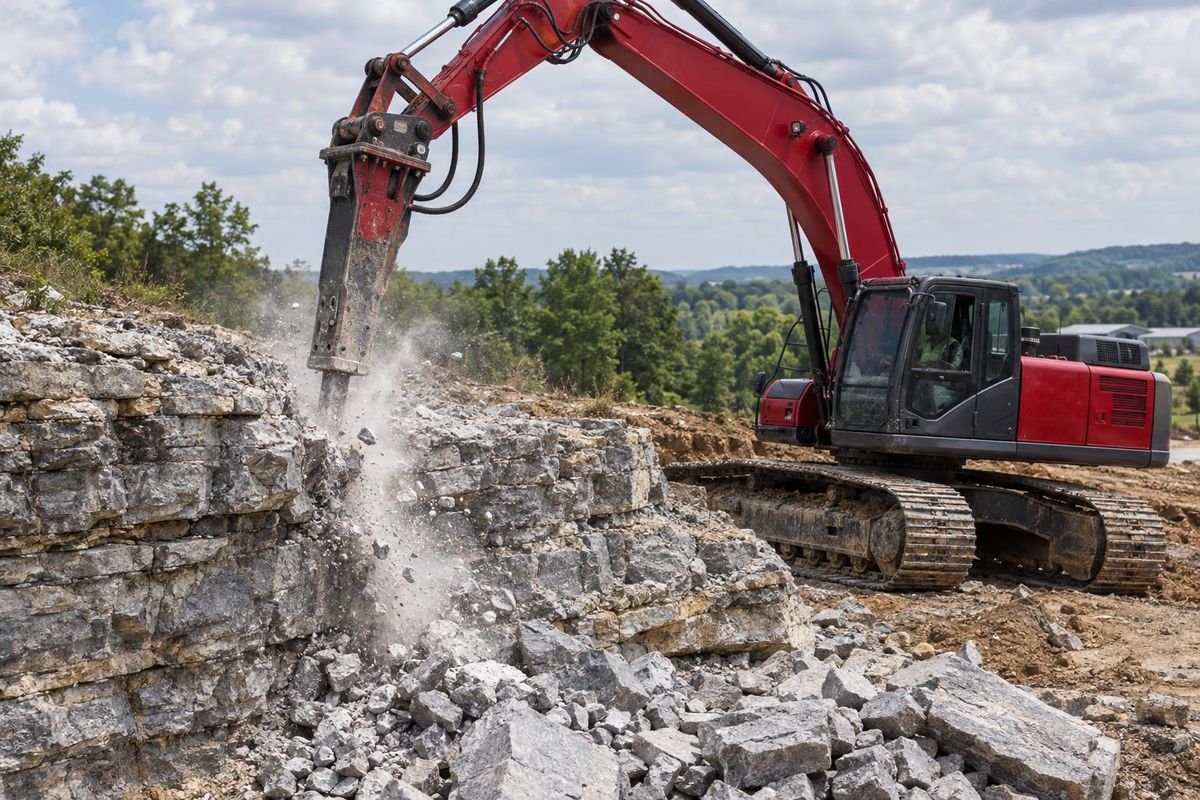
Middle Tennessee lots vary widely: red clay, limestone close to the surface, steep hills and wet bottoms. The ground decides how deep you can dig, how you drain the site and whether rock work is likely.
Walk the lot after a heavy rain if you can. It shows where water gathers and where it leaves.
Put the work in order
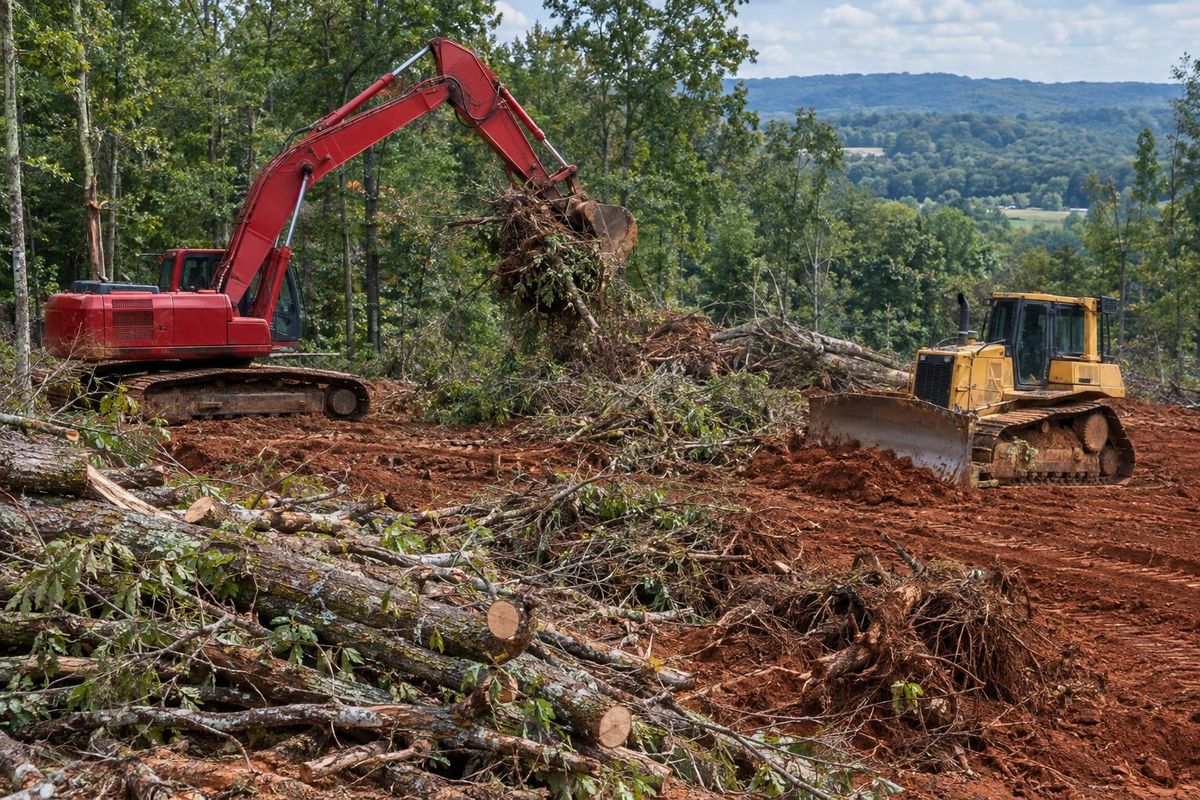
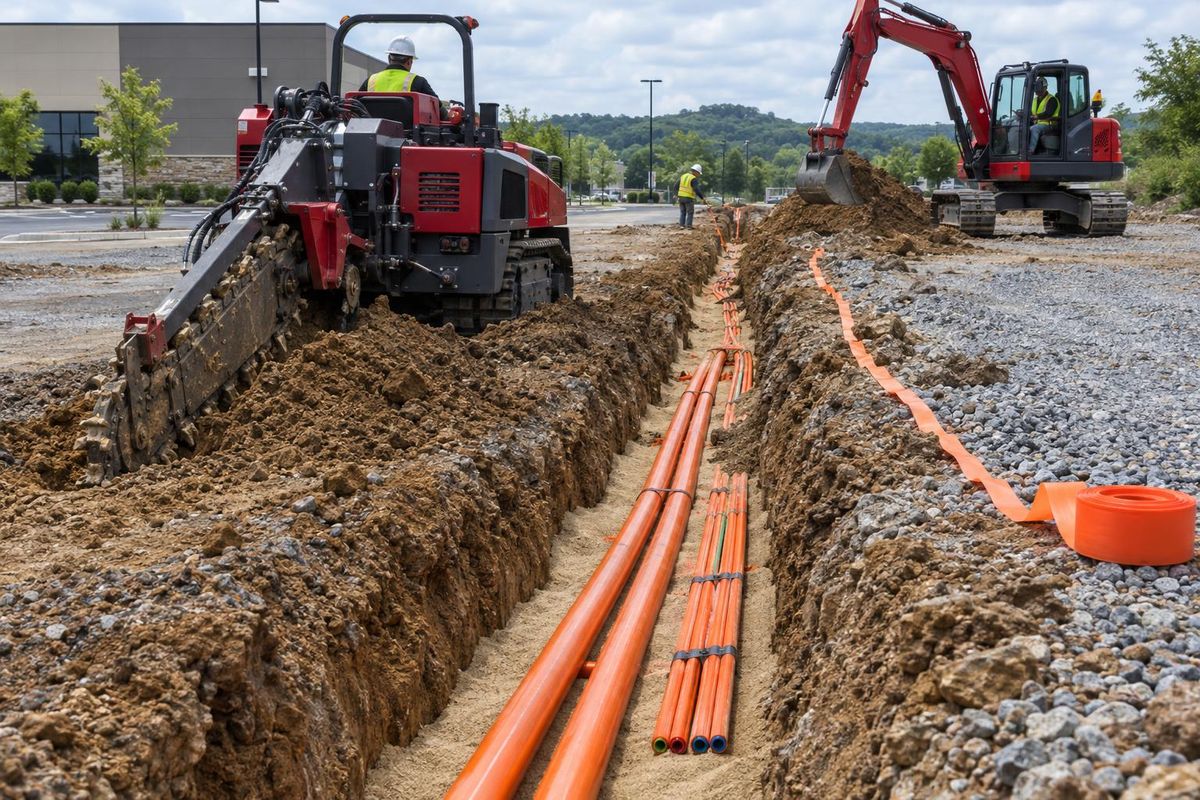
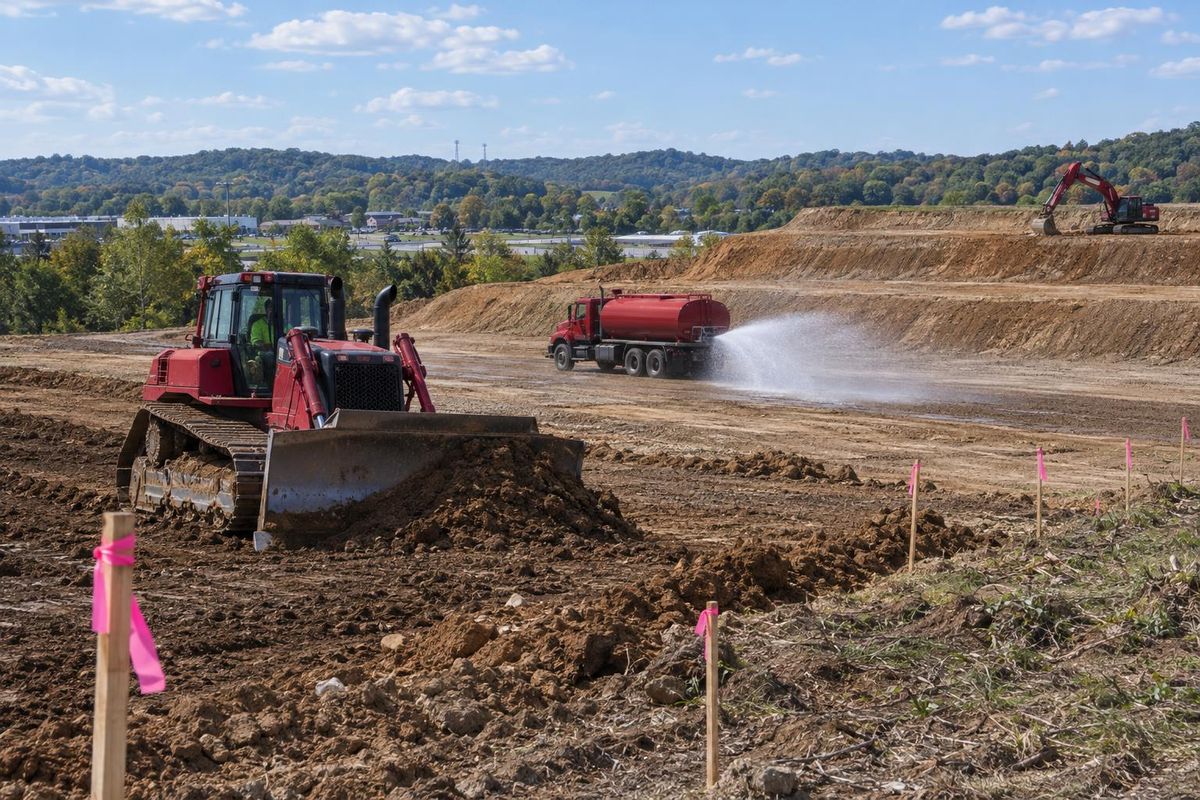
Most projects follow a familiar order: mark boundaries, clear, install erosion control, strip topsoil, rough grade, dig foundations and utility trenches, build the pad and finish grade. Doing steps out of order leads to rework.
Ask your contractor to walk through the sequence with you before work starts.
Quick answers
Do I need a survey before excavation starts?
A survey is strongly recommended. It shows the property lines, easements and elevations that the work depends on.
Who coordinates the different trades?
The builder or general contractor usually does. We coordinate with them on timing, access and inspections.
What is the most common planning mistake?
Starting to dig before utilities are located and the plan is final.