Key takeaways
- Ask what is included and what is not.
- Look at the equipment, the crew and the schedule, not only the total.
- Ask how rock, wet ground and extra hauling would be handled.
- Good communication on site is as important as good equipment.
Start with the scope
A clear scope lists the work, the quantities where they are known, who provides materials and what happens to the spoil. It states the start and finish conditions: for example, graded to stakes, stone entrance in place or backfilled and compacted.
If two proposals look very different, compare their scopes first.
Ask about the unknowns
Rock, wet ground, old fill and buried items cannot always be known before digging. Ask how the contractor handles them: how you will be told, what the options are and how the scope is adjusted if the conditions change.
A contractor who explains this before the job starts is easier to work with once it starts.
Equipment and crew
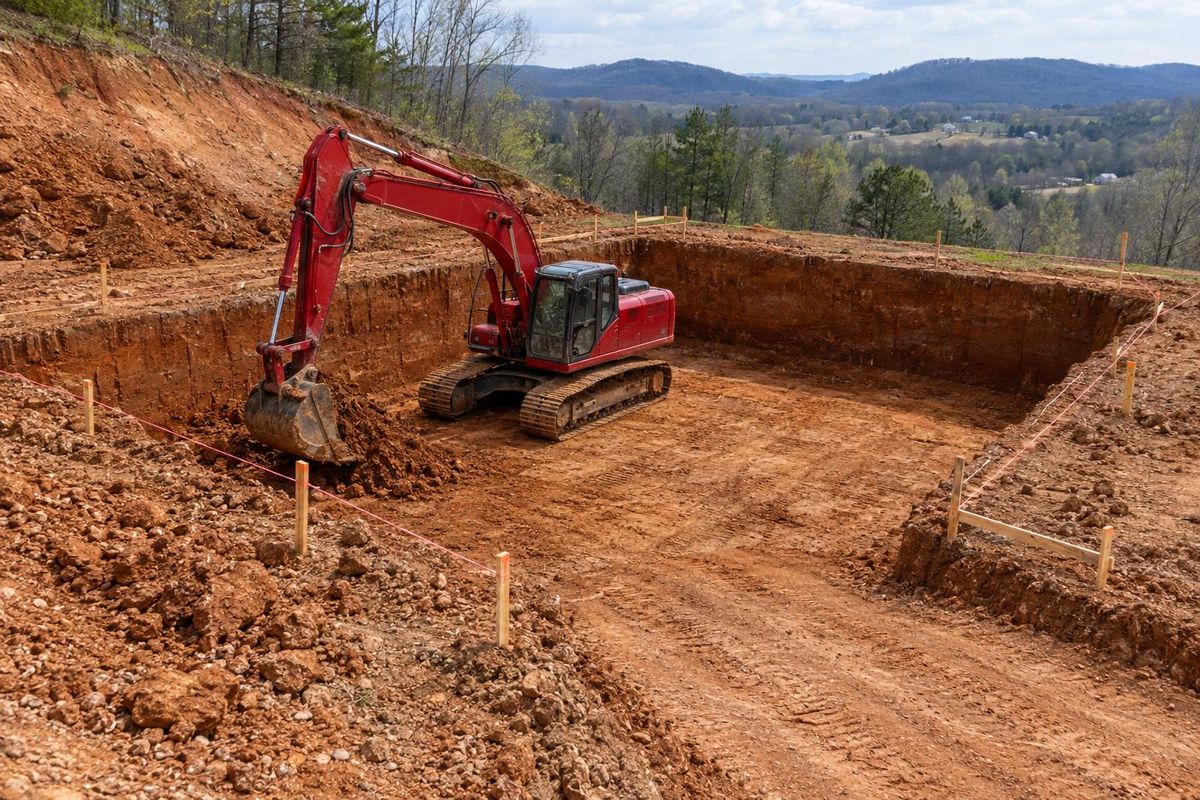
The right machine makes a big difference. Ask what equipment will be on site, who runs it and whether the same crew will do the whole job. Small machines suit tight yards. Larger ones suit big cuts.
A contractor who matches the equipment to the job usually finishes sooner.
Communication and cleanliness
Good contractors tell you what is happening, when they will arrive and what could change the schedule. They keep the site, the street and the neighbors in mind, with clean entrances and sensible hours.
Pay attention to how quickly and clearly they respond before you hire them.
Quick answers
Should I get several proposals?
Comparing a few is reasonable, as long as you compare the same scope.
What should be in writing?
The scope, the schedule, how changes are handled and who is responsible for permits and utility locating.
When should I hire an excavator?
Early. Schedules, permits and the sequence of trades depend on it.