Key takeaways
- Bare soil can wash away in a single storm.
- Silt fence, stone entrances and matting are the basic tools.
- Inspectors check erosion control, and fixing problems after a storm is part of the job.
- Phase the work so less ground is bare at once.
Why it matters
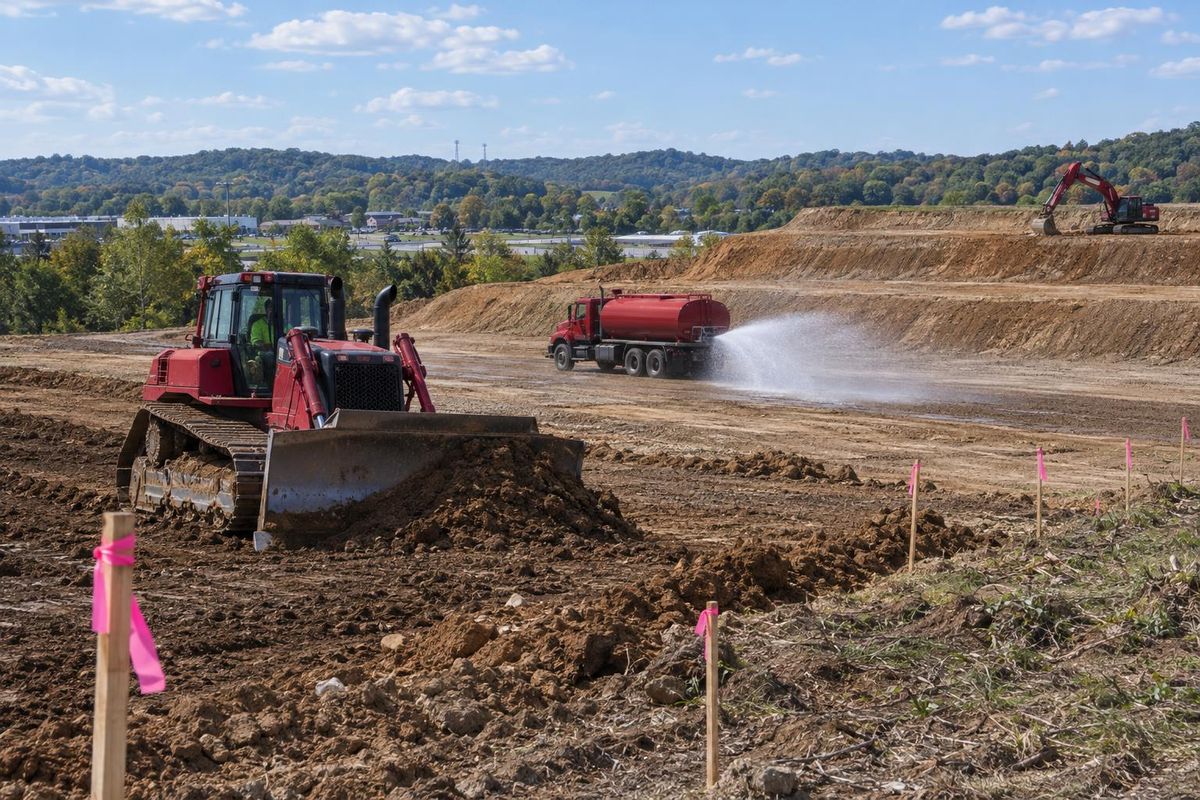
Soil that leaves a site fills streams, clogs storm drains and covers streets. Fines and stop-work orders can follow, and neighbors notice quickly. Controlling erosion protects the project and the community.
Active building sites usually need an erosion plan.
The basic tools
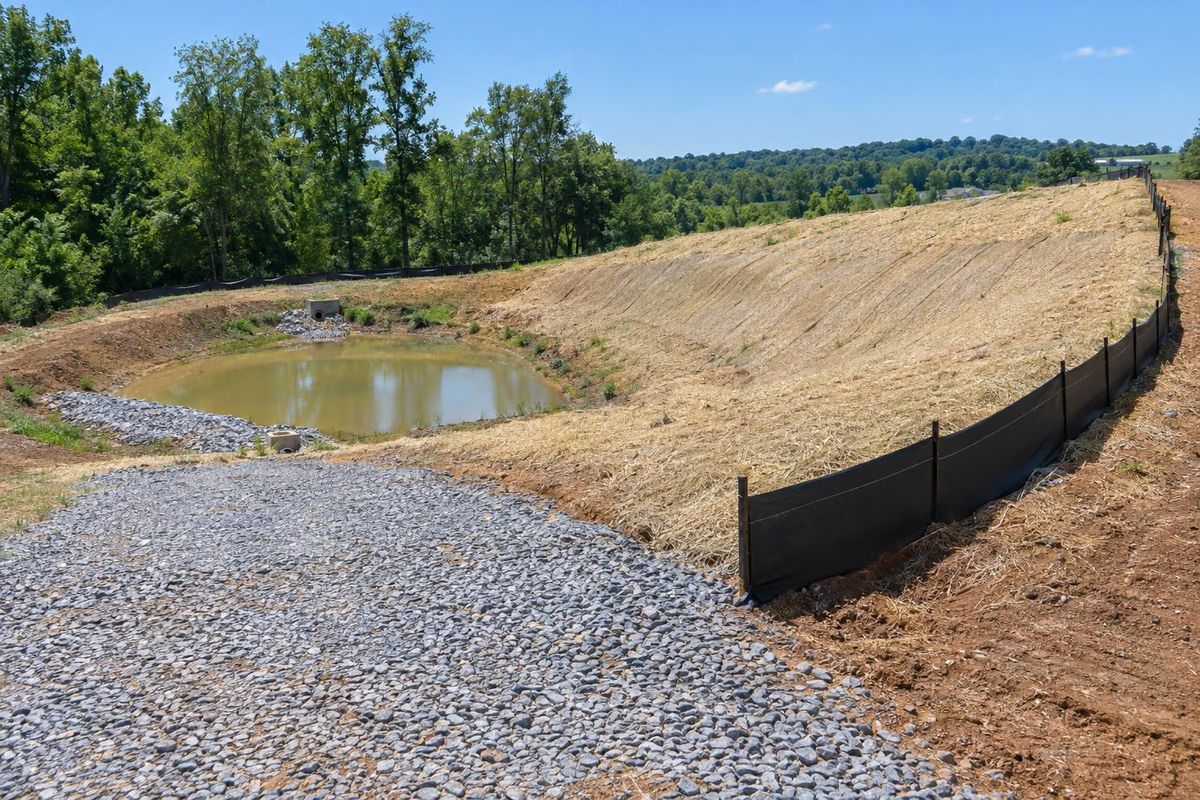
Silt fence traps sediment along the low edge of a site. A stone construction entrance shakes mud off truck tires. Inlet protection keeps soil out of storm drains. Straw, matting and seed cover bare slopes. Sediment basins catch silt on larger sites.
Each tool has to be installed correctly and kept up.
Maintenance
A silt fence that is knocked over or full does not work. After a heavy rain, measures should be checked and repaired. Stone entrances need fresh stone from time to time.
Keep a record of inspections if your permit requires it.
Phasing and stabilizing
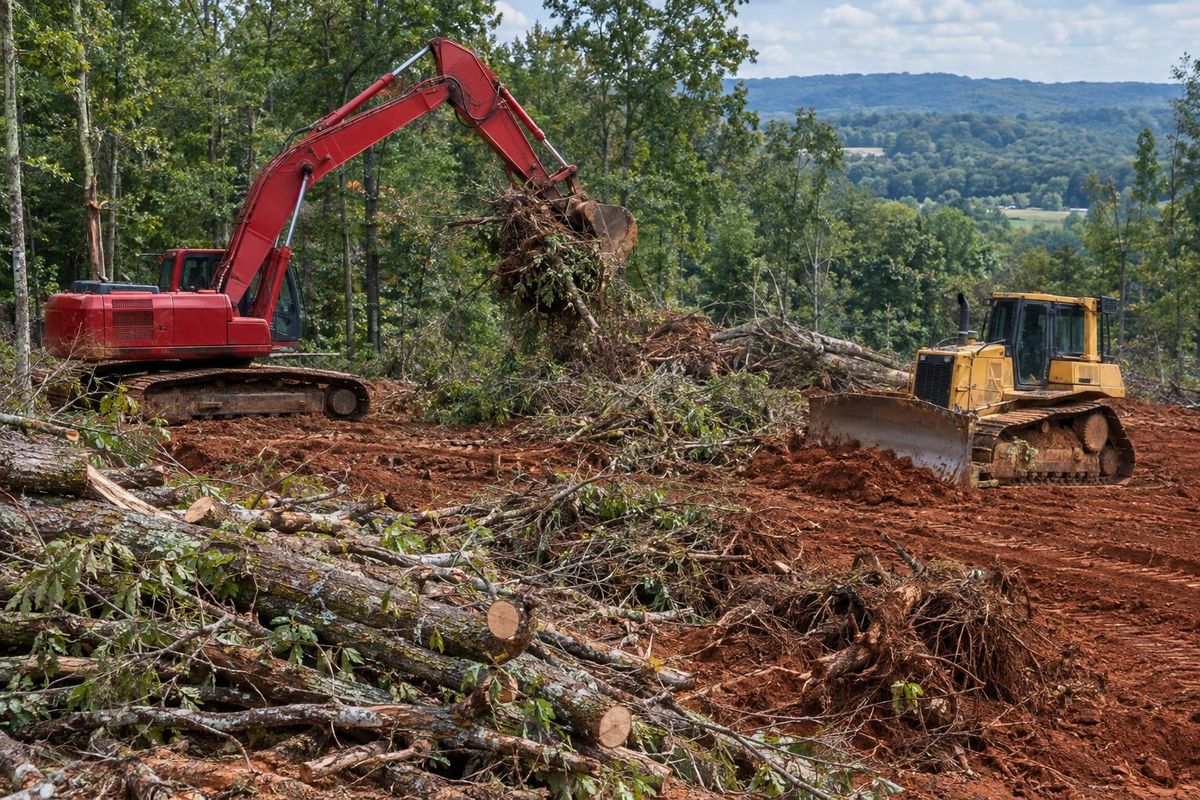
Clear only what you need now. When an area is finished, cover it with seed, straw or matting so it holds. The shorter the time soil is bare, the less can wash away.
On big sites, phasing is the most effective erosion tool.
Quick answers
Is erosion control required on a single house lot?
Often yes. Local rules and the permit tell you what is required.
Who is responsible for erosion control?
The permit holder is responsible. Contractors install and maintain what the plan requires.
What happens if soil leaves the site?
You may be asked to clean it up and fix the measures, and fines can follow.