Key takeaways
- Decide which trees stay before clearing starts, and mark them.
- Trees, brush and stumps can be hauled, chipped, mulched or stacked.
- Bare ground needs erosion control right away.
- Plan the haul path and the brush pile locations in advance.
Mark what stays
Healthy shade trees, trees on a property line and trees with value can be marked with ribbon or paint. Heavy equipment works close to trees, so a clear marking system protects them.
Keep a protective zone around keep-trees so roots and trunks are not damaged.
Decide what happens to the debris
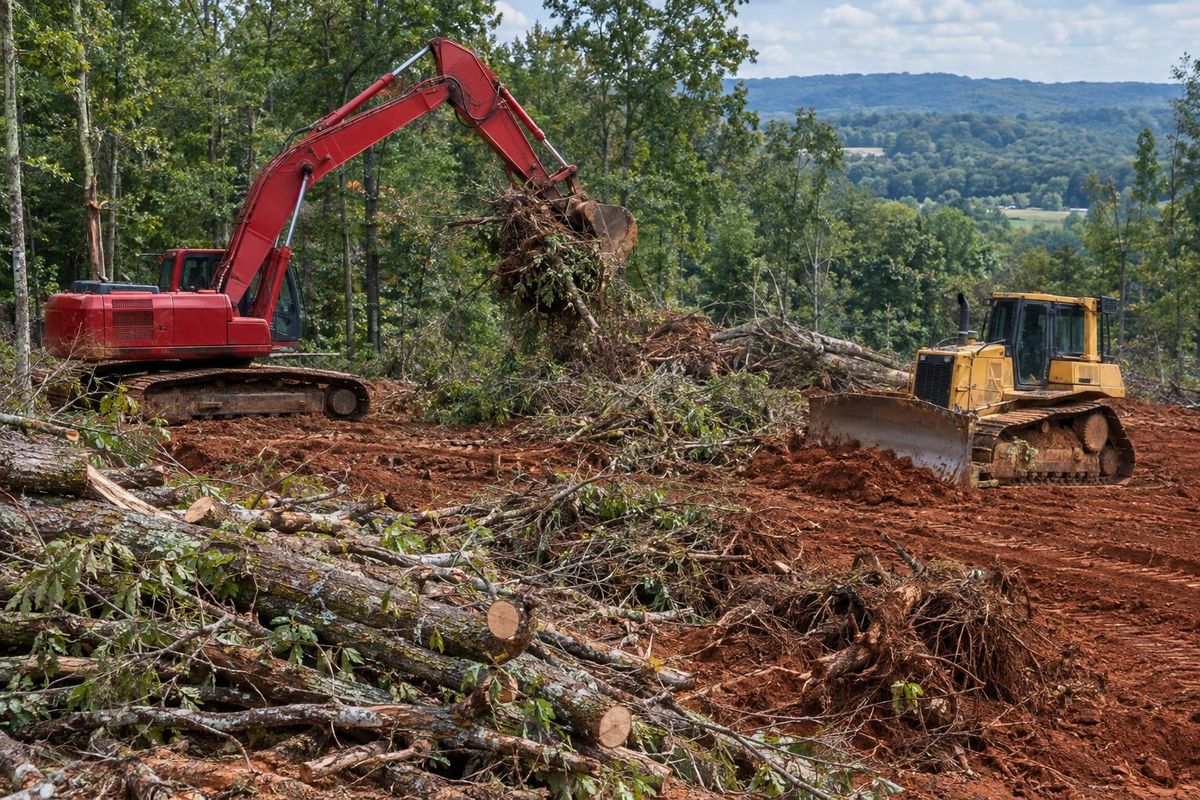
Cut trees and brush have to go somewhere. Options include stacking for firewood or lumber, chipping or mulching on site, burying in an approved place where rules allow or hauling away. Each has different time and handling needs.
Burning is restricted in many places. Check local rules and permits before planning it.
Stumps and roots
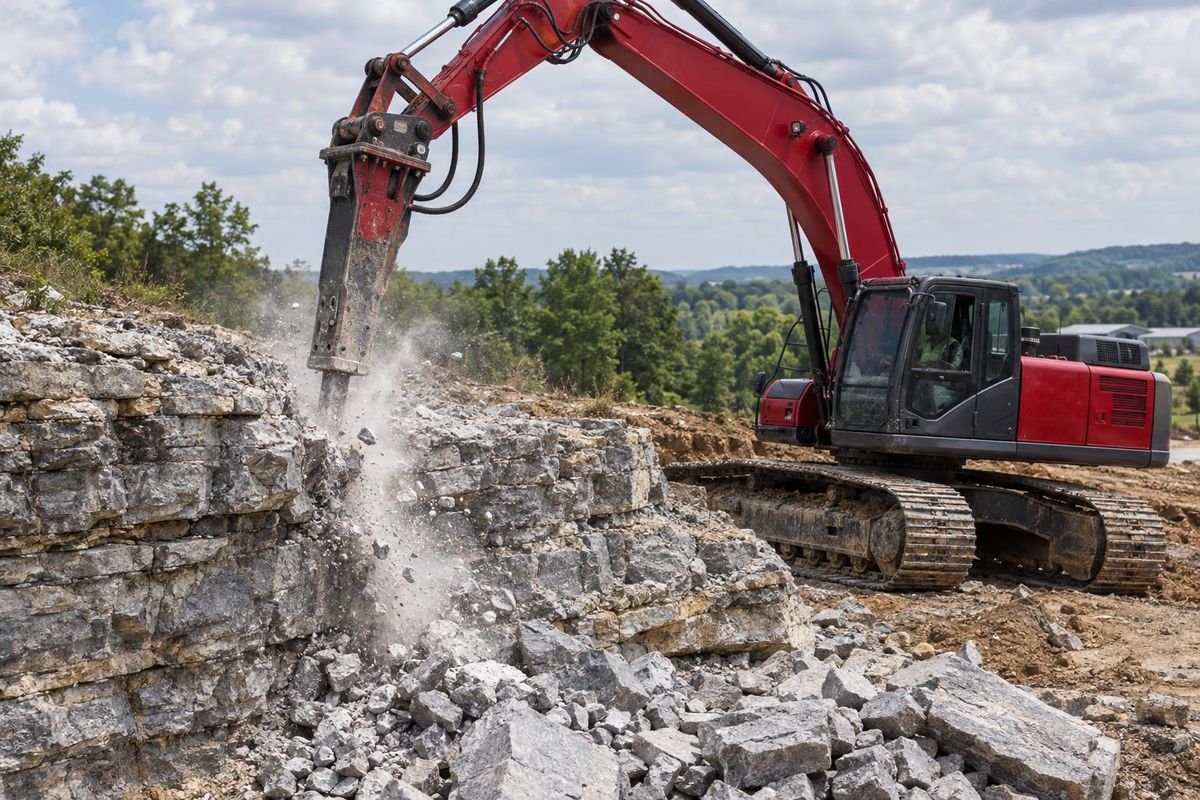
Stumps under a pad, driveway or foundation should come out. Stumps in a yard or wood line can often be ground. Pulling whole stumps leaves a hole that must be filled and compacted.
Tell your contractor what will go over the ground so the right method is used.
Protect the bare ground
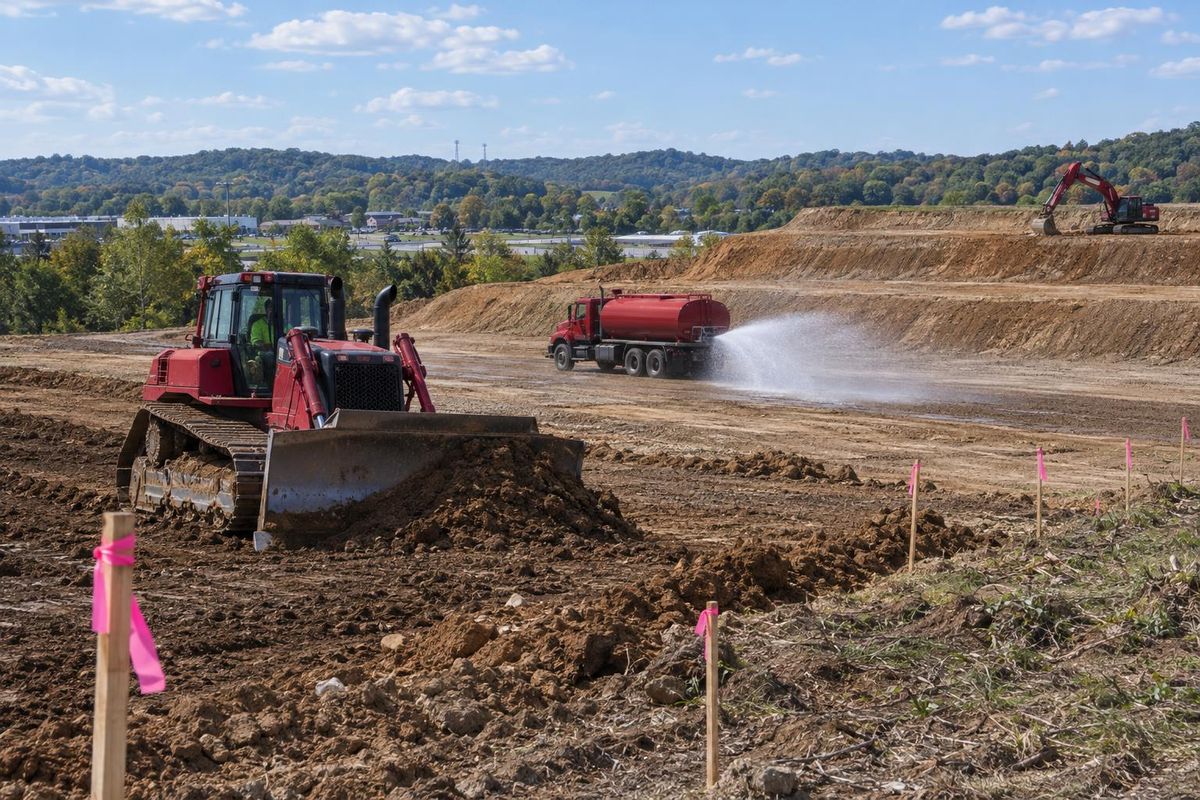
Once trees and roots are gone, the soil has nothing to hold it. Silt fence, stone entrances, mulch or matting and quick seeding keep it from washing away. Erosion control is easier to install before the rain than after.
Clear in phases on large sites so less ground is bare at one time.
Quick answers
How long does clearing take?
It depends on the size, the density of the growth and the access. A builder or contractor can tell you after seeing the land.
Can trees be sold for lumber?
Sometimes, if they are large enough and a buyer is arranged before clearing.
Will clearing change how water runs on my land?
It can. Removing trees changes how water soaks in and flows, so drainage should be planned as part of the work.